
Leading Choices For Outdoor Shed Installation Projects
Find top-rated products favored by professionals to support efficient and durable outdoor shed construction and installation.
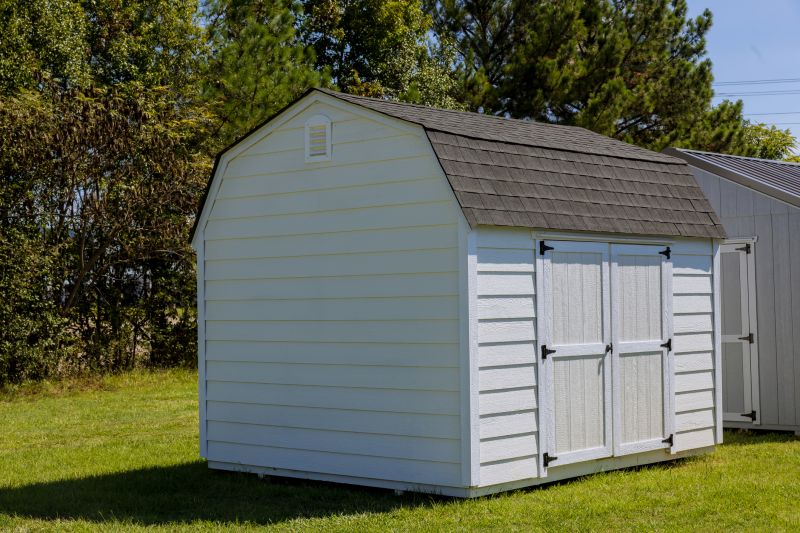 When planning to install an outdoor shed, selecting the right products is essential to ensure durability, functionality, and ease of assembly. A well-chosen foundation system provides stability and helps prevent shifting or settling over time. Ground preparation materials such as gravel or crushed stone create a level base that facilitates drainage and reduces moisture accumulation beneath the shed. For those seeking a more robust foundation, concrete slabs or pressure-treated foundation blocks can offer long-term support. Anchoring systems are equally important, securing the shed firmly to the ground to withstand wind and other environmental factors.
Top Overall Option
Heavy-Duty Foundation Kit
A comprehensive foundation kit that includes gravel, pressure-treated base blocks, and anchoring hardware offers a versatile and reliable base for outdoor sheds. Its modular design allows for easy customization to fit various shed sizes and shapes, providing stability and facilitating proper drainage. This type of foundation is suitable for different ground conditions and can be assembled without specialized equipment, making it an accessible choice for many DIY enthusiasts.
Types of Products For Outdoor Shed Installations
Foundation Materials
Including gravel, concrete slabs, and pressure-treated blocks to create a stable base.
Framing Components
Lumber and metal framing kits designed to support walls and roofs.
Anchors and Fasteners
Ground anchors, screws, and bolts to secure the shed structure.
Roofing Materials
Asphalt shingles, metal panels, or rubber membranes for weatherproofing.
Doors and Windows
Access points and ventilation options to enhance functionality.
Weatherproofing Supplies
Sealants, flashing, and paint for protection against moisture.
Interior Storage Solutions
Shelving, hooks, and pegboards to organize tools and supplies.
Ventilation Systems
Vents and exhaust fans to promote air circulation inside the shed.
Lighting Fixtures
Solar or wired lighting to improve visibility during use.
Flooring Options
Interlocking tiles, pressure-treated plywood, or concrete for the shed floor.
Drainage Solutions
Drainage mats and gutter systems to divert water away from the shed foundation.
Security Hardware
Locks, hasps, and alarm systems to secure the shed.
Siding and Exterior Cladding
Vinyl, wood, or metal panels to protect the structure from weather.
Insulation Materials
Foam boards or batt insulation for temperature regulation inside the shed.
Popular Choices
Essential for securing sheds against wind and environmental forces.
Commonly used for framing and flooring due to its durability.
Help protect the shed from moisture and extend its lifespan.
Widely used for their ease of installation and weather resistance.
Popular for organizing tools and supplies efficiently.
Improve airflow and reduce humidity inside the shed.
Energy-efficient lighting options for better visibility.
Easy-to-install flooring that provides a stable surface.
Enhance the safety of stored items and shed access.
Durable and long-lasting roofing choice for outdoor sheds.
Help divert rainwater away from the shed foundation.
Versatile for hanging tools and small equipment.
Assist in maintaining proper air circulation.
Available in various materials for weather protection.
Popular for temperature control inside insulated sheds.
In addition to the foundation, the structural components of the shed require careful consideration. Heavy-duty framing lumber or metal framing kits can provide the necessary support for walls and roofs. Weatherproofing accessories like sealants, flashing, and weather-resistant paint help protect the structure from moisture ingress and prolong its lifespan. Doors and windows not only enhance accessibility and ventilation but also contribute to the shed’s overall security. Installing appropriate roofing materials such as asphalt shingles, metal panels, or rubber membranes ensures the shelter remains watertight and resilient against the elements.
Interior organization products are also valuable for maximizing storage efficiency. Shelving units, hooks, and pegboards enable organized storage of tools and supplies. Ventilation systems, including vents and exhaust fans, help maintain air circulation inside the shed, reducing humidity and preventing mold growth. Lighting fixtures, whether solar-powered or wired, improve visibility during work or storage activities. When selecting products for outdoor shed installation, it’s important to consider compatibility with the shed design, local climate conditions, and personal storage needs to create a functional and durable outdoor space.
Key Buying Considerations
- Assess the ground conditions and choose an appropriate foundation method.
- Determine the size and layout of the shed to match storage needs.
- Select durable materials that withstand local weather conditions.
- Consider ease of assembly and the availability of DIY resources.
- Evaluate the security features available for protecting stored items.
- Ensure proper ventilation options to prevent moisture buildup.
- Choose roofing materials that balance cost, durability, and aesthetics.
- Look for weatherproofing accessories to enhance longevity.
- Plan for sufficient lighting and electrical options if needed.
- Check compatibility of accessories with the shed design.
- Consider future expansion or customization possibilities.
- Review local building codes and permits before installation.
- Estimate the total project budget, including foundation, materials, and tools.
- Select interior storage solutions that maximize space efficiency.
- Prioritize products that facilitate proper drainage and water management.